
Designing with user journey in mind dives deep into the fascinating world of user-centric design, shedding light on how understanding user behavior can lead to more effective and engaging digital experiences. This exploration not only emphasizes the significance of mapping user journeys but also highlights the intricate relationship between design decisions and user expectations.
By focusing on key stages of the user journey and integrating user experience with marketing strategies, designers can create seamless interactions that resonate with users. Additionally, ensuring security and trust throughout this journey is paramount, as it enhances user satisfaction and loyalty.
Understanding User Journeys
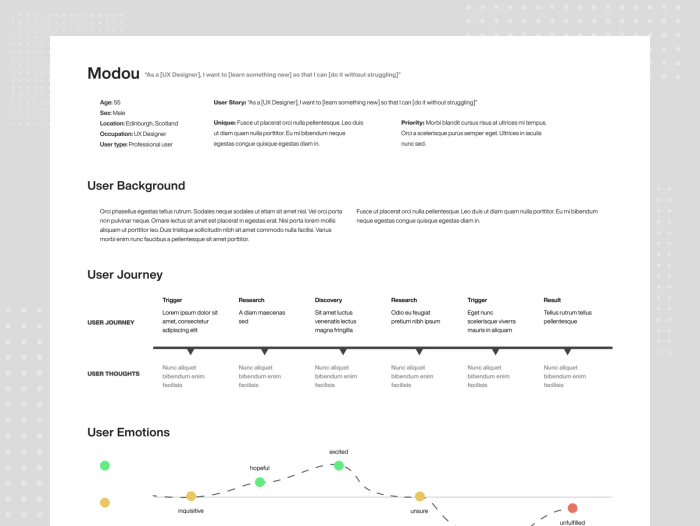
Mapping user journeys is a critical aspect of design, as it provides a comprehensive view of how users interact with a product or service. By understanding each step a user takes, designers can create more intuitive, efficient, and satisfying experiences. This approach ensures that design decisions are not solely based on assumptions but are informed by actual user behavior and needs.The user journey typically consists of several key stages, each playing an essential role in shaping the overall experience.
Recognizing these stages allows designers to pinpoint where improvements can be made and how to enhance user satisfaction.
Key Stages in a User Journey
The user journey can be broken down into distinct stages, each with its own significance. Understanding these stages helps in making well-informed design choices.
- Awareness: This is the initial stage where potential users first learn about the product. Designers should ensure that the messaging is clear and appealing to capture attention effectively.
- Consideration: Users begin to evaluate the product against their needs and alternatives. Here, providing detailed information and differentiators can help in influencing user choices.
- Acquisition: At this stage, the user interacts directly with the product, such as signing up or making a purchase. A seamless onboarding experience is crucial for retaining users and encouraging further engagement.
- Retention: This stage focuses on keeping users engaged with the product over time. Regular updates, personalized content, and excellent customer support can enhance user loyalty.
- Advocacy: Happy users often become advocates for the product, sharing their positive experiences with others. Encouraging feedback and providing easy sharing options can amplify this stage.
Methods to Gather User Feedback
Feedback is vital throughout the design process, guiding adjustments and enhancements based on user experiences. Implementing effective methods to gather user feedback ensures that the design remains aligned with user needs.
- User Interviews: Conducting one-on-one conversations provides in-depth insights into user motivations, behaviors, and pain points, allowing for targeted improvements.
- Surveys: Distributing surveys can capture a wider range of user opinions and experiences. Well-crafted questions can yield valuable quantitative and qualitative data.
- Usability Testing: Observing users as they navigate the product helps identify usability issues in real-time, offering immediate insights into how the design can be improved.
- Analytics Tools: Utilizing tools like Google Analytics or heatmaps allows designers to track user interactions, revealing patterns and areas that may need attention.
- Feedback Forms: Integrating feedback forms within the product creates an avenue for users to share their thoughts conveniently, fostering continuous improvement.
Integrating User Experience with Marketing Strategies
Designing with user journeys in mind allows for a more cohesive relationship between user experience (UX) and marketing strategies. By understanding how users navigate through their interactions with a brand, businesses can tailor their marketing efforts to resonate more effectively with their audience. This intersection of UX and marketing not only enhances customer satisfaction but also drives conversions and loyalty.The influence of user journeys on search engine marketing strategies cannot be overstated.
As companies strive to improve their online visibility, aligning their content with user expectations at various touchpoints becomes essential. This means that content should not only be optimized for search engines but also crafted to address the specific needs and behaviors of users during their journey. By analyzing the stages of a user journey—awareness, consideration, and decision—marketers can develop targeted campaigns that provide relevant information at the right time.
For instance, creating content that answers frequently asked questions can improve organic search rankings while simultaneously catering to user inquiries.
Impact of User Journey on Social Media Engagement vs Traditional Marketing
Understanding the differences in user engagement offers insights into how marketing strategies should be adapted. Social media engagement is very much driven by interactive content that provides instant gratification and encourages community building. In contrast, traditional marketing often relies on one-way communication, where information is disseminated without immediate feedback. The following comparison highlights key differences in user journey impact:
- Interaction: Social media encourages continuous dialogue, whereas traditional marketing often presents static messages.
- Feedback Loop: Social platforms allow real-time feedback, enhancing user experience; traditional methods lack this immediacy.
- Targeting: Social media allows precise targeting based on user behavior and interests; traditional marketing uses broader demographic data.
- Content Format: Social media thrives on visual and engaging formats like videos and stories, while traditional marketing focuses on print and broadcast media.
Each of these points demonstrates how understanding user journeys can drastically change the effectiveness of marketing strategies, making social media a more dynamic and responsive platform for engagement.
Framework for Aligning Web Design with User Expectations in Site Promotion
A well-structured web design that aligns with user expectations significantly enhances site promotion efforts. This framework integrates key elements that ensure a seamless experience for users while promoting the site effectively.
1. User-Centric Design
Create a layout that prioritizes user needs, ensuring intuitive navigation and easy access to information.
2. Responsive Design
Ensure the site functions smoothly across all devices, considering that user journeys often involve multiple platforms.
3. Content Relevance
Regularly update content to reflect current trends and user interests, demonstrating that the site is in tune with its audience.
4. Visual Hierarchy
Organize content in a way that guides users naturally through their journey, making important information easily accessible.
5. Call-to-Action (CTA) Optimization
Strategically place CTAs throughout the user journey to encourage desired actions without disrupting the flow of information.
“An effective website is one that provides value at every stage of the user journey.”
Incorporating these elements into web design not only enhances the user experience but also supports marketing objectives, making it easier for users to engage with and promote the brand.
Enhancing Security and Trust in User Journeys
In today’s digital landscape, enhancing security and trust within user journeys is paramount for businesses aiming to provide a seamless online experience. As users navigate through various touchpoints on a website, their trust can be built or undermined based on how well their security needs are addressed. This section discusses effective practices for ensuring user security, the important role of spam blockers, and strategies for transparent data practices.
Best Practices for Ensuring User Security
Incorporating robust security measures throughout the user journey is essential for fostering trust and protecting sensitive information. Here are key practices to consider:
- Utilize HTTPS Protocol: Ensuring that your website is secured with HTTPS not only encrypts data but also signals to users that their information is protected.
- Implement Two-Factor Authentication (2FA): Adding an extra layer of security through 2FA can significantly reduce the risk of unauthorized access to user accounts.
- Regular Security Audits: Conducting regular assessments and updates of your security systems helps identify vulnerabilities and mitigate risks.
- Educate Users: Providing resources or tips on maintaining their personal security online can empower users and build trust in your platform.
Role of Spam Blockers in Enhancing User Trust
Spam blockers play a vital role in creating a trustworthy online environment by protecting users from unwanted communications that may compromise their data or experience. The effectiveness of these tools can influence user perceptions significantly.
- Filtering Out Spam: Advanced spam blockers can effectively filter out phishing attempts and malicious content, allowing users to engage with genuine communications only.
- Improving User Experience: By minimizing the clutter of spam, users can navigate your site more efficiently, further enhancing their overall experience.
- Promoting Secure Interactions: When users see that your platform actively works to protect them from spam, it reinforces their confidence in your brand and offerings.
Incorporating Transparent Data Practices
Transparency in data handling is crucial for establishing trust. Users are increasingly concerned about how their data is collected, stored, and used. Implementing clear data practices can significantly enhance user trust.
- Clear Privacy Policies: Providing users with easy-to-understand privacy policies that Artikel data usage can demystify your practices.
- Opt-In Consent Mechanisms: Allowing users to choose what data they share, along with the ability to opt-out at any time, fosters trust and respect for user autonomy.
- Regular Updates on Data Security: Keeping users informed about any changes in data handling or security measures demonstrates accountability and commitment to user safety.
Conclusive Thoughts
In conclusion, designing with user journey in mind is essential for crafting experiences that not only meet user needs but also build lasting connections. By incorporating user feedback, aligning with marketing strategies, and prioritizing security, designers can significantly enhance the overall user experience. This approach ultimately leads to more successful and user-friendly products that stand out in today’s competitive landscape.
Quick FAQs
What is a user journey?
A user journey is the complete experience a user has while interacting with a product or service, illustrating their needs, motivations, and touchpoints.
Why is mapping user journeys important?
Mapping user journeys helps designers understand user behavior, identify pain points, and ensure that design decisions align with user expectations.
How can user feedback be effectively gathered?
User feedback can be collected through surveys, interviews, usability tests, and analytics tools to gain insights during the design process.
What role does user journey play in marketing?
User journeys inform marketing strategies by revealing how users interact with content, enabling targeted messaging and improved user engagement.
How can trust be built in user journeys?
Trust can be built in user journeys by implementing transparent data practices, providing clear security measures, and ensuring a seamless experience.


