Streaming analytics and viewer insights are transforming how content creators understand and engage their audiences. With the rapid advancements in technology, the ability to analyze viewer behavior in real-time has become a game-changer in the digital landscape. This dynamic approach not only enhances the streaming experience but also equips creators with vital information to tailor their content to meet audience preferences.
By harnessing streaming analytics, businesses can gain deep insights into viewer habits, preferences, and trends, ultimately leading to improved audience retention and satisfaction. As we explore this fascinating intersection of data and entertainment, we will uncover the tools and strategies that make it all possible, revealing how these insights propel successful content strategies.
Streaming Analytics Overview
Streaming analytics refers to the continuous processing and analyzing of data in real time, allowing organizations to gain insights and make decisions based on the most current information available. In the rapidly evolving digital landscape, where user preferences and behaviors can shift within moments, the ability to process streaming data provides a competitive edge. By leveraging streaming analytics, businesses can react swiftly to trends, optimize operations, and enhance customer interactions.Viewer insights play a critical role in enhancing streaming experiences.
Understanding viewer behavior—such as what content is most engaging, how long viewers watch, and their interactions—enables content providers to tailor offerings that resonate more with their audience. This data-driven approach not only improves user satisfaction but also helps in content curation, targeted marketing, and overall service enhancement.
Technologies Enabling Real-Time Data Processing in Streaming
A variety of technologies facilitate real-time data processing, making streaming analytics not just feasible but also effective. These technologies include:
- Apache Kafka: An open-source stream processing platform that provides high-throughput, fault-tolerant messaging for building real-time data pipelines and streaming applications.
- Apache Flink: A stream processing framework that excels in stateful computations over unbounded data streams, allowing for complex event processing and real-time analytics.
- Apache Spark Streaming: This technology extends the capabilities of Apache Spark to allow for stream processing, enabling processing of live data streams in a fault-tolerant manner.
- Google Cloud Dataflow: A fully managed service for stream and batch data processing that provides a unified programming model for both types of data.
Utilizing these technologies, organizations can effectively capture, process, and analyze data from various sources such as social media interactions, transaction logs, and sensor data, leading to more informed decisions and enhanced user experiences.
“Real-time insights are no longer a luxury but a necessity in the digital ecosystem.”
The ability to analyze data as it flows allows businesses to detect patterns, anomalies, and opportunities almost instantaneously, ensuring they remain relevant and competitive in an ever-changing market.
Importance of Viewer Insights
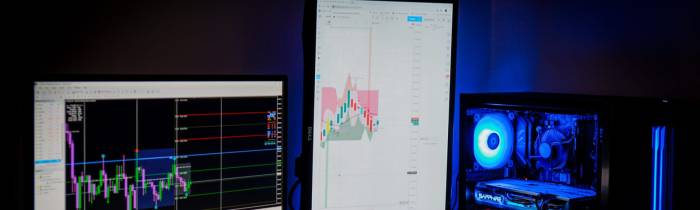
Viewer insights play a crucial role in shaping the content strategy of streaming platforms. By understanding viewer preferences, behaviors, and demographics, content creators can tailor their offerings to meet the specific needs of their audience. Such insights not only enhance viewer satisfaction but also drive engagement, leading to higher retention rates. The ability to analyze viewer data helps platforms to stay relevant in a highly competitive landscape.Understanding viewer preferences is essential for guiding content creation.
For instance, if data indicates that a specific genre, such as documentaries or true crime series, is gaining traction among viewers, streaming platforms might prioritize producing more content in that category. Another example is the analysis of binge-watching patterns; platforms can pinpoint which episodes or seasons keep viewers engaged the longest, allowing them to curate content that aligns with these trends.
Methods to Gather Viewer Data Effectively
To gather viewer data effectively, streaming platforms utilize a variety of methods that ensure comprehensive insights into audience behavior. These methods include:
- Analytics Tools: Platforms often employ advanced analytics tools that track viewer interactions, such as watch time, clicks, and navigation paths. This data provides a clear picture of viewer engagement.
- Surveys and Feedback Forms: Direct feedback from viewers through surveys can yield qualitative insights. Questions about content preferences, satisfaction levels, and desired features help shape future programming.
- Social Media Monitoring: Analyzing social media platforms for viewer comments, shares, and trends can reveal how content is being received and discussed in real time.
- Focus Groups: Conducting focus groups allows platforms to gather in-depth qualitative data from a select audience, providing nuanced understanding of viewer preferences and expectations.
Driving Audience Engagement and Retention Strategies
Viewer insights directly inform strategies that enhance audience engagement and retention. By leveraging the data collected, streaming services can implement targeted marketing campaigns and personalized recommendations, which fosters a sense of connection with the audience. For example, if viewer insights show a significant portion of the audience enjoys romantic comedies, the platform can highlight similar titles in their recommendations.Additionally, data on viewer drop-off points can help creators understand where audiences lose interest.
By analyzing these moments, platforms can refine content pacing and storytelling techniques. As a result, they can create more compelling narratives that keep viewers hooked throughout the entire viewing experience.
“The more we understand our viewers, the better we can serve them, driving both engagement and loyalty.”
Another critical aspect is the timing of content releases. Analyzing viewer data can reveal optimal days and times for launching new episodes or series. This ensures that content reaches the audience when they are most likely to engage, further enhancing viewer satisfaction and retention rates.
Integration with Marketing Strategies
Integrating viewer insights into marketing strategies is essential for maximizing the effectiveness of promotional efforts in the digital landscape. By leveraging streaming analytics, brands can tailor their marketing campaigns to resonate more deeply with their target audience, ensuring that messaging is both relevant and engaging. This strategic alignment not only enhances customer experience but also drives higher conversion rates and brand loyalty.
Utilizing Viewer Insights in Search Engine Marketing
A robust framework for incorporating viewer insights into Search Engine Marketing (SEM) lays the foundation for more targeted and effective advertising. By analyzing viewer data, marketers can identify trends and preferences that shape strategies and ad targeting. This approach ensures that campaigns speak directly to the audience’s interests, increasing the likelihood of clicks and conversions. Key steps in creating this framework include:
- Data Collection: Gather data on viewer demographics, preferences, and behavior across streaming platforms to understand what content resonates with different audience segments.
- Optimization: Use insights to refine strategies by identifying high-performing phrases that align with viewer interests, thus enhancing visibility in search results.
- Ad Customization: Tailor ad copy and visuals based on viewer insights to create more relatable and engaging advertisements that capture attention.
- A/B Testing: Implement A/B tests using different audience segments to evaluate which strategies yield the best performance, continuously refining campaigns based on results.
Relationship between Streaming Analytics and Social Media Promotion
The integration of streaming analytics with social media promotion is crucial for amplifying brand reach and engagement. Streaming analytics provides real-time insights into viewer interactions and preferences, allowing brands to adapt their social media strategies promptly. Understanding this relationship enables businesses to craft more effective campaigns that capitalize on trending topics and viewer behavior. Notable aspects include:
- Real-Time Engagement: Monitor viewer reactions in real time during live-stream events to adjust social media messaging instantly, fostering a more engaging viewer experience.
- Content Sharing: Use insights to determine what type of content viewers are likely to share, enhancing organic reach and visibility across social media platforms.
- Influencer Collaboration: Identify key influencers who resonate with target audiences based on viewer data, allowing for strategic partnerships that boost brand credibility and visibility.
Integrating Viewer Data into Video Marketing Campaigns
Incorporating viewer data into video marketing campaigns transforms how brands engage with their audience. By understanding viewer preferences and behavior, marketers can create content that not only attracts attention but also drives action. A systematic plan for this integration includes:
- Content Personalization: Leverage viewer data to tailor video content that speaks directly to audience segments, enhancing relevance and engagement.
- Timing and Placement: Analyze when viewers are most active and the platforms they prefer, using this information to optimize the timing and placement of video content for maximum impact.
- Performance Tracking: Implement analytics tools to measure the performance of video campaigns, allowing for ongoing adjustments based on viewer interaction and preference data.
- Feedback Loops: Create mechanisms for viewer feedback, ensuring that future content iterations align with audience expectations and preferences, which is vital for long-term engagement.
End of Discussion
In conclusion, the integration of streaming analytics and viewer insights serves as a powerful catalyst for optimizing content creation and marketing strategies. By leveraging real-time data, creators can craft more engaging experiences tailored to their audience’s needs, ultimately driving growth and loyalty. As we move forward, embracing these insights will continue to shape the future of streaming, creating opportunities for innovation and enhanced viewer satisfaction.
FAQ
What is streaming analytics?
Streaming analytics refers to the real-time processing and analysis of data as it is generated, enabling immediate insights into viewer behavior.
How can viewer insights improve content creation?
Viewer insights can guide content decisions by revealing what resonates with audiences, allowing creators to tailor their offerings accordingly.
What technologies are used in streaming analytics?
Technologies such as Apache Kafka, AWS Kinesis, and Apache Flink are commonly used to facilitate real-time data processing in streaming analytics.
How do viewer insights impact marketing strategies?
Viewer insights can shape marketing efforts by informing targeted campaigns, optimizing content distribution, and enhancing engagement through personalized experiences.
What are some methods for gathering viewer data?
Effective methods include surveys, social media analytics, video performance metrics, and direct feedback mechanisms to collect viewer preferences and behaviors.