Social media algorithms explained sets the stage for this enthralling narrative, offering readers a glimpse into a story that is rich in detail and brimming with originality from the outset.
These algorithms are the unseen forces that dictate what content pops up on your feed, influencing not just individual user experiences, but also the broader strategies businesses adopt in their marketing endeavors. Understanding how these algorithms function, how they differ across platforms like Facebook, Instagram, and Twitter, and the role of user engagement can empower users and marketers alike to navigate the social media landscape more effectively.
Understanding Social Media Algorithms
Social media algorithms are complex systems used by platforms to curate and display content to users. Their primary role is to enhance the user experience by ensuring that relevant and engaging content appears in the user’s feed, thereby increasing overall interaction with the platform. These algorithms are designed to analyze user behavior, preferences, and interactions to determine which posts should be prioritized.Different social media platforms utilize varying algorithms tailored to their unique environments and user expectations.
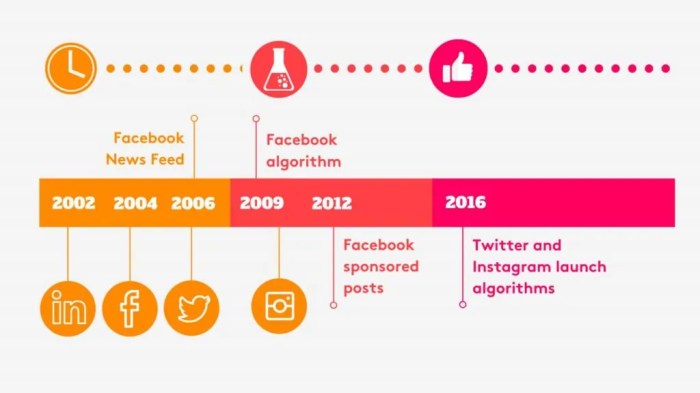
For instance, Facebook’s algorithm emphasizes meaningful interactions, focusing on posts that spark conversations among friends and family. It utilizes factors such as post engagement, the relationship between users, and the type of content (videos, images, links) to prioritize what appears in the feed. On the other hand, Instagram relies heavily on visual engagement; its algorithm favors posts that receive quick interactions after being published, indicating immediate user interest.
Twitter’s algorithm, in contrast, is designed for real-time engagement, promoting tweets that are timely and relevant, often displaying popular tweets first, regardless of the user’s previous interactions.
Impact of User Engagement on Algorithm Performance
User engagement is a crucial aspect that influences how algorithms function and the visibility of posts on social media. Higher engagement levels, such as likes, shares, comments, and saves, indicate to the algorithm that content is valuable and should be shown to a wider audience. This emphasis on engagement can be broken down into several key components:
- Likes and Reactions: Simple indicators of approval, these actions signal to the algorithm that content resonates with users, thereby increasing its reach.
- Comments: Comments reflect deeper engagement and interest, prompting algorithms to prioritize posts that generate discussion.
- Shares: Sharing indicates a high level of endorsement, suggesting that the content is worth spreading to a broader audience.
- Time Spent on Post: The duration a user spends viewing a post can inform the algorithm of its relevance, leading to increased visibility for similar content.
The interplay of these engagement metrics creates a feedback loop where popular content gains even more visibility, reinforcing user habits and preferences. Understanding this dynamic is essential for both users seeking to maximize their content’s reach and marketers aiming to leverage social media effectively.
“Engagement is the currency of social media; the more you have, the more your content shines.”
The Impact of Social Media Algorithms on Marketing Strategies
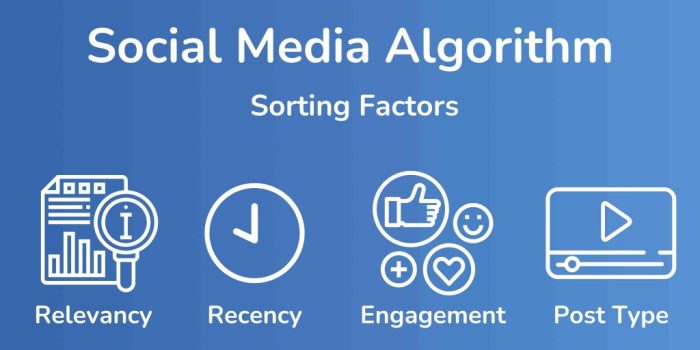
Social media algorithms have significantly transformed how businesses approach their marketing strategies. Understanding these algorithms is crucial for brands looking to enhance their online presence and engagement. By adapting to the changing algorithm behaviors, marketers can optimize their content for better reach and effectiveness.The influence of algorithms extends beyond mere visibility; they dictate how content is prioritized and displayed to users.
This means that marketers must be strategic about content creation and the timing of their posts to align with algorithm preferences. Below are strategies that can help optimize content based on algorithm behavior.
Strategies for Optimizing Content Based on Algorithm Behavior
Creating content that resonates with social media algorithms requires an understanding of what these algorithms favor. Here are some effective strategies:
- Engagement-Driven Content: Content that generates likes, shares, comments, or saves tends to be prioritized. Crafting posts that encourage audience interaction can boost visibility.
- Visual Storytelling: Posts with high-quality visuals, videos, or infographics generally perform better. Engaging visuals not only capture attention but also encourage sharing.
- Utilizing Trending Hashtags: Incorporating relevant and trending hashtags can expand reach and visibility in search results. Regularly researching trending hashtags is essential.
The Importance of Timing and Frequency in Posting
The timing and frequency of posts are critical factors in how content is ranked by social media algorithms. Consistent posting schedules are more likely to keep audiences engaged. Here are some key points to consider regarding timing and frequency:
- Peak Engagement Times: Analyzing when your target audience is most active can significantly enhance reach. Tools like analytics dashboards can aid in identifying these peak times.
- Regular Posting Schedule: Establishing a consistent posting routine helps maintain audience interest and engagement, which algorithms favor.
- A/B Testing Different Times: Experimenting with various posting times can provide insights into when content performs best, allowing for more tailored strategies moving forward.
Analyzing Audience Data for Tailored Content
Understanding audience preferences through data analysis can significantly improve how content is tailored to meet algorithm demands. Brands can benefit from the following approaches:
- Utilizing Insights Tools: Most social platforms offer analytics tools that provide data on audience demographics, engagement rates, and content performance. This information is crucial for refining strategies.
- Segmenting Audience Groups: Creating targeted content for specific audience segments based on their interests and behaviors leads to higher engagement rates, as personalized content resonates better.
- Monitoring Engagement Metrics: Regularly tracking metrics like reach, impressions, and clicks helps marketers understand what types of content are effective, allowing for continuous optimization.
“Understanding and adapting to social media algorithms is essential for marketers looking to maximize their content’s reach and engagement.”
Related Topics in the Digital Marketing Sphere
Understanding the interconnectedness of various digital marketing elements is essential for crafting effective strategies. This section explores how social media algorithms influence other aspects of digital marketing, including Search Engine Marketing (SEM), internet security and privacy, and web design and development. Each of these areas plays a crucial role in enhancing marketing efforts and protecting user data.
Relationship Between Social Media Algorithms and Search Engine Marketing Effectiveness
Social media algorithms significantly impact the effectiveness of Search Engine Marketing (SEM) by shaping user behavior and content discovery. As these algorithms prioritize certain content based on user engagement, they drive traffic to websites that are better optimized for social sharing and interaction. For instance, a business that shares engaging and relevant content on its social media platforms can see a direct increase in its website traffic, which in turn, can improve its search engine rankings.
This relationship emphasizes the importance of integrating social media strategies with SEM efforts to enhance visibility and reach.
“Effective SEM requires understanding how social signals can influence search rankings and visibility.”
Implications of Social Media Algorithms on Internet Security and Privacy Concerns
The functioning of social media algorithms raises significant internet security and privacy concerns. As these algorithms collect vast amounts of user data to personalize content, they also pose risks to user privacy and data security. Businesses must navigate these issues carefully to maintain consumer trust.The collection and analysis of user data can lead to potential misuse, including targeted advertising that may feel intrusive.
Regulations like GDPR (General Data Protection Regulation) have emerged in response to these concerns, requiring businesses to be transparent about data use and to implement stronger security measures.
“Data privacy is not just a legal requirement; it’s a crucial aspect of user trust in digital marketing.”
Influence of Algorithms on Web Design and Development for Marketing Purposes
Algorithms have a profound influence on web design and development, particularly in how websites are structured to maximize user engagement and conversion rates. Websites must be designed to accommodate the preferences determined by social media algorithms, which can dictate user expectations for content accessibility and interaction.For example, a website that incorporates interactive elements, such as videos and infographics, is more likely to engage visitors, aligning with how algorithms prioritize captivating content.
Additionally, responsive design, which ensures optimal viewing experiences on various devices, is critical as algorithms favor mobile-friendly sites in their rankings.
“Aligning web design with algorithmic preferences can lead to improved user experience and higher conversion rates.”
Closing Summary
In summary, the intricate world of social media algorithms plays a pivotal role in shaping our online interactions and marketing strategies. By grasping the mechanics behind these algorithms and adapting to their behaviors, both users and marketers can enhance visibility and foster meaningful engagement. As the digital landscape continues to evolve, staying informed about these changes is key to success in the online realm.
FAQ Overview
What are social media algorithms?
Social media algorithms are sets of rules and calculations that determine which content is shown to users based on various factors, including user behavior and engagement.
How do algorithms differ across platforms?
Each platform, like Facebook, Instagram, and Twitter, utilizes its own unique algorithm influenced by different user engagement metrics, content types, and even the nature of the platform itself.
Can I manipulate algorithms to my benefit?
While you can’t directly control algorithms, you can optimize your content and posting strategies to align with how these algorithms typically prioritize and display content.
What factors influence algorithm performance?
User engagement metrics such as likes, shares, comments, and the amount of time users spend on a post significantly impact how widely a post is seen.
How often should I post to maximize visibility?
Finding the right posting frequency can vary based on the platform and audience, but consistent posting that aligns with peak engagement times is generally recommended.