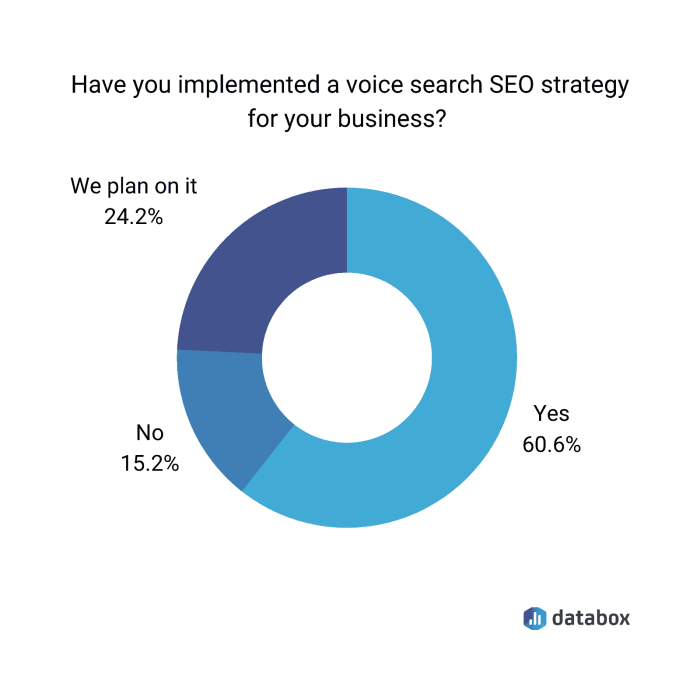
Voice search optimization tips sets the stage for this enthralling narrative, offering readers a glimpse into a story that is rich in detail and brimming with originality. As voice-activated devices become commonplace, understanding how to tailor your content for voice search is not just beneficial but essential. The transition from traditional usage to conversational phrases marks a significant change in how users interact with search engines.
In this guide, we will explore various techniques to enhance your website’s visibility through voice searches, including optimizing for local , adjusting your PPC campaigns, and leveraging insights from social media interactions. Each section unveils practical strategies that can elevate your approach to digital marketing in a voice-search-dominated landscape.
Voice Search Optimization Techniques
As voice search continues to gain traction, optimizing for this trend is essential for businesses looking to improve their online visibility. The shift from typed searches to voice queries alters the way potential customers find information. Understanding how to adapt your content strategy is crucial for staying ahead in the competitive landscape.Conversational s play a pivotal role in voice search optimization.
Unlike traditional s that often consist of short phrases or isolated terms, conversational s are more natural and reflective of how people speak. They typically include longer phrases and questions. For instance, instead of “best pizza,” a voice search might be “what’s the best pizza place near me?” This subtle shift in structure requires a different approach to content creation and strategies.
Methods for Optimizing Website Content for Voice Search Queries
To effectively optimize your website for voice search, it’s important to focus on the nuances of user queries. Below are essential strategies to enhance your content for voice search:
- Use natural language: Write content that mimics conversational speech. This helps search engines recognize your content as relevant to voice queries.
- Implement FAQs: Create a FAQ section addressing common questions in a conversational tone. This can increase your chances of being featured in voice search results.
- Focus on featured snippets: Optimize your content to aim for featured snippets, which are often read aloud by voice assistants. This includes providing concise answers and using bullet points.
To illustrate, businesses like Domino’s have successfully implemented these strategies by optimizing their websites to answer common food-related queries and providing quick ordering options through voice commands.
Strategies for Improving Local Through Voice Search
Local is significantly impacted by voice search, especially for businesses with a physical presence. The following strategies can enhance your local through voice search optimization:
- Optimize Google My Business: Ensure your business listing is complete and accurate, including your address, phone number, and business hours. Voice searches often pull from this information.
- Use location-based s: Incorporate local s into your content. Phrases like “restaurants near me” or “best coffee shop in [city]” are critical.
- Encourage online reviews: Positive reviews not only build credibility but also influence local search rankings, making it more likely for your business to appear in voice search results.
For instance, local businesses that actively maintain their Google My Business profiles and receive regular customer reviews tend to perform significantly better in voice searches, leading to increased foot traffic and engagement.
Integration with Search Engine Marketing
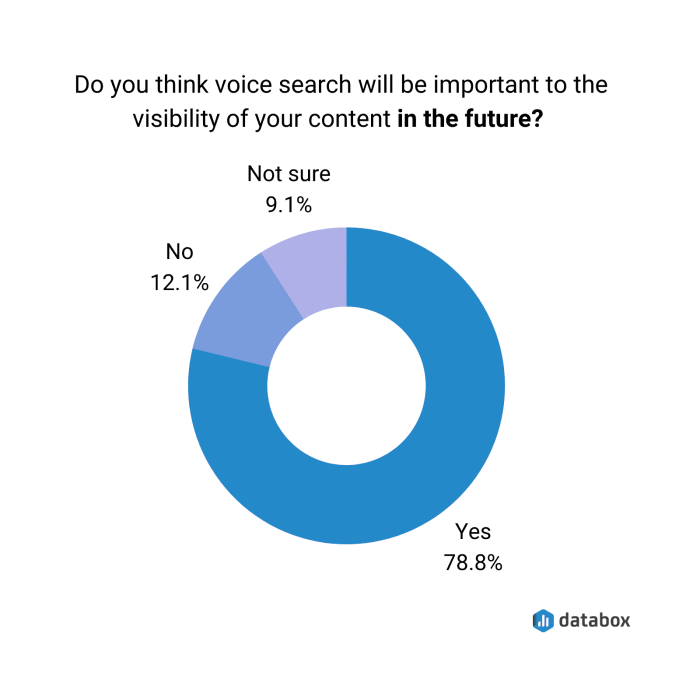
Voice search is fundamentally changing the landscape of search engine marketing (SEM). As more consumers turn to voice-activated devices for their queries, businesses must adapt their strategies to capitalize on this growing trend. This shift not only affects how users conduct searches but also influences how advertisers create and manage their pay-per-click (PPC) campaigns. Understanding the nuances of voice search integration can significantly impact overall marketing success.Voice search introduces distinct challenges and opportunities for PPC campaigns.
Traditional strategies may become less effective, as voice queries tend to be longer and conversational in nature. Advertisers need to embrace a more flexible approach to ad targeting and selection to ensure their ads are relevant to voice search users.
Impact of Voice Search on PPC Campaigns and Ad Targeting
The rise of voice search necessitates a reevaluation of PPC strategies. Users often phrase their searches in a more natural and conversational manner, which requires advertisers to adapt their targeting. This transformation can be summarized in several key points:
- Long-tail s: Voice searches typically consist of longer phrases. For instance, instead of simply searching for “coffee shop,” a user might ask, “Where is the nearest coffee shop that opens early?” Advertisers should focus on long-tail s to capture these specific queries.
- Question-Based s: Many voice search queries are formulated as questions. Incorporating question-based s into campaigns can help target users more effectively. Phrases such as “best pizza near me” or “how to fix a leaky faucet” should be included in planning.
- Location-Based Targeting: Voice search users often seek immediate local results. Incorporating geo-targeting strategies ensures that ads reach individuals looking for nearby services or products. This can significantly enhance the relevance of the ads shown to users.
- Ad Copy Optimization: Tailoring ad copy to reflect a conversational tone can improve engagement. Ads should be structured to answer potential questions directly, providing clear and concise information that resonates with users.
Adjusting SEM Strategies for Voice Search Trends
Adapting SEM strategies to accommodate the trends associated with voice search is crucial for maintaining competitive advantage. Here are essential adjustments to consider:
- Content Strategy Alignment: Develop content that answers common questions your target audience may ask. This can improve visibility in voice search results and enhance the likelihood of appearing in featured snippets.
- User Intent Focus: Understanding the intent behind voice searches is vital. User intent can be categorized into informational, navigational, or transactional. Advertisers should align their PPC campaigns with these intents to better serve user needs.
- Dynamic Ad Formats: Experiment with dynamic ad formats that can respond to the conversational nature of voice searches. For example, responsive search ads can automatically adjust to better match user queries.
- Utilization of Structured Data: Implement structured data on your website to enhance how search engines interpret and display your site in search results. This can improve your chances of being selected for voice search responses.
Enhancing User Engagement Within SEM Efforts
Voice search plays a crucial role in fostering user engagement. Engaging users through effective SEM strategies can lead to improved interaction and conversion rates. Consider the following practices:
- Personalization: Use data insights to personalize search ads based on user behavior and preferences. Personalized ads create a more engaging experience and can lead to higher click-through rates.
- Interactive Features: Incorporating interactive elements such as polls or quizzes in search ads can capture user attention and encourage deeper engagement.
- Monitoring Voice Search Trends: Regularly analyze voice search trends and adjust campaigns accordingly. Staying informed about changing user behaviors ensures that SEM efforts remain relevant and effective.
- Feedback Mechanisms: Create opportunities for users to provide feedback on their search experiences. This can help refine ads and improve user engagement over time.
The integration of voice search into SEM is not merely an option but a necessity in today’s digital marketing landscape. Embracing these changes can lead to improved ad performance and enhanced user engagement, ultimately driving better business results.
Voice Search and Social Media Interaction
Voice search technology has revolutionized how users engage with the internet, and its impact on social media marketing strategies is becoming increasingly significant. As more users turn to voice-activated devices for information and interaction, brands must adapt their social media tactics to remain relevant and effective. Understanding how voice search integrates with social platforms can help marketers enhance their content creation and engagement strategies.The relationship between voice search and social media is multi-faceted, influencing how brands interact with audiences and gather data.
By leveraging voice search data, marketers can create more personalized and impactful social media content. This approach not only improves user engagement but also aligns with the trend of conversational marketing, where brands communicate in a more humanized and approachable manner.
Influence of Voice Search on Social Media Marketing Strategies
Voice search is altering the landscape of social media marketing, requiring brands to rethink their engagement techniques. The integration of voice search capabilities into social media platforms means that users can search for content verbally, leading to a shift in how brands develop their messaging.
- Conversational Tone: Content needs to adopt a more conversational tone, reflecting the natural language users employ when engaging in voice searches.
- Focus on Local : Brands can optimize their social media for local searches, which is especially relevant for businesses with physical locations.
- Utilizing Rich Snippets: Incorporating structured data into posts can help ensure visibility in voice search results, improving the chances of content being surfaced by virtual assistants.
- Emphasizing FAQs: Creating content that answers common questions directly can align social media strategies with voice search behaviors, enhancing discoverability.
Techniques for Enhancing Social Media Content Creation
To maximize the benefits of voice search data, marketers should implement specific techniques that refine their social media content strategies. By analyzing voice search trends, brands can tailor their messaging to align with user intent and preferences.
- Optimization: Identifying and integrating s that reflect common voice search queries can enhance content relevance.
- Engaging Visual Content: Creating visually compelling content that complements voice search can capture attention and drive engagement.
- Storytelling Approach: Leveraging narratives that resonate with users enhances retention and encourages sharing, aligning with voice search trends.
- User-Generated Content: Encouraging customers to share their experiences can provide authentic and relatable content that resonates well in voice search results.
Relationship between Voice Search and Social Networking Platforms
The connection between voice search and social networking platforms is growing stronger, as users increasingly rely on voice commands for social interactions. This shift necessitates a reevaluation of how brands engage with audiences across different platforms.
- Platform-Specific Features: Social networks are introducing features that support voice search, such as voice posting and voice replies, enhancing user interactions.
- Data Insights: Social media platforms provide valuable data on voice search interactions, enabling brands to understand user preferences and optimize content accordingly.
- Real-Time Engagement: Voice search fosters real-time communication, allowing brands to respond to customer inquiries instantly, creating a more dynamic interaction.
- Integrative Campaigns: Combining voice search and social media strategies in campaigns can amplify exposure and engagement, appealing to users through multiple channels.
Last Recap
In conclusion, mastering voice search optimization is vital for businesses aiming to stay competitive in the digital age. By embracing conversational s, adapting marketing strategies, and utilizing voice search data, you can significantly improve user engagement and satisfaction. This shift not only enhances your visibility but also aligns with evolving consumer behaviors, ensuring you remain at the forefront of your industry.
FAQ Summary
What are conversational s?
Conversational s are phrases that mimic natural speech, typically longer and more specific than traditional s.
How does voice search affect PPC campaigns?
Voice search can change user intent and behavior, requiring adjustments in ad targeting and selection in PPC campaigns.
Can voice search improve local ?
Yes, voice search often includes location-based queries, so optimizing for local is crucial for visibility in voice results.
How can I use voice search data for social media?
Analyze voice search trends to create content that resonates with your audience, enhancing engagement on social media platforms.
Is voice search optimization necessary for all businesses?
While it may vary by industry, most businesses can benefit from voice search optimization due to its growing prevalence among users.


